The word "agentic" has been showing up in every AI conversation for the past year. Most of the coverage targets enterprise IT teams or AI researchers. This post is for the person running a business who wants to know what it actually means and whether it applies to them.
What It Is
Standard automation follows a fixed sequence. A trigger fires, a step runs, an output appears. Every branch in the logic was written in advance. If something falls outside what was anticipated, the workflow either fails or routes to a human.
Agentic AI works differently. The system is given a goal and a set of tools: the ability to read a document, send an email, query a database, write a summary. It then decides, step by step, how to use those tools to reach the goal. It can handle inputs it has never seen before. It can recover from a failed step by trying a different approach. It produces output that varies based on what it found, not based on what was pre-programmed.
The practical difference: standard automation handles tasks that always look the same. Agentic AI handles tasks where the input varies but the outcome you want stays consistent.
A standard workflow sends an invoice when a job is marked complete. An agentic system reads a supplier's PDF invoice in any format, extracts the line items, matches them against your purchase order, flags discrepancies, and either approves or escalates. No human touches it.
Why Now
A year ago, agentic systems were real but fragile. They worked in demos and broke in production. The reasoning models needed to run them were expensive. The tooling to connect them to real business systems was immature.
Three things changed.
The models got significantly better at multi-step reasoning. The gap between what an agent can reliably do today versus 18 months ago is not marginal. Systems that previously lost context halfway through a task or invented steps that did not exist now complete complex sequences consistently enough to run in production.
The cost dropped sharply. A price war among the major model providers has pushed inference costs to levels that make running agentic workflows on hundreds of documents a day affordable for a small business. On my own workloads, what cost around $200 a month in API fees a year ago now runs closer to $20.
The integration layer matured. Tools like n8n now have native AI agent nodes that connect to real business systems: your inbox, your CRM, your database. No custom development required. What needed a dedicated engineering team 18 months ago can now be configured by someone who understands the business problem.
The question is no longer whether these tools belong in a small business. It is which implementations deliver results and which ones drain budget without return.
What to Build First
The right first agentic workflow is the one where the input varies, the outcome you want is consistent, the cost of a mistake is recoverable, and you can measure whether it is working within two weeks.
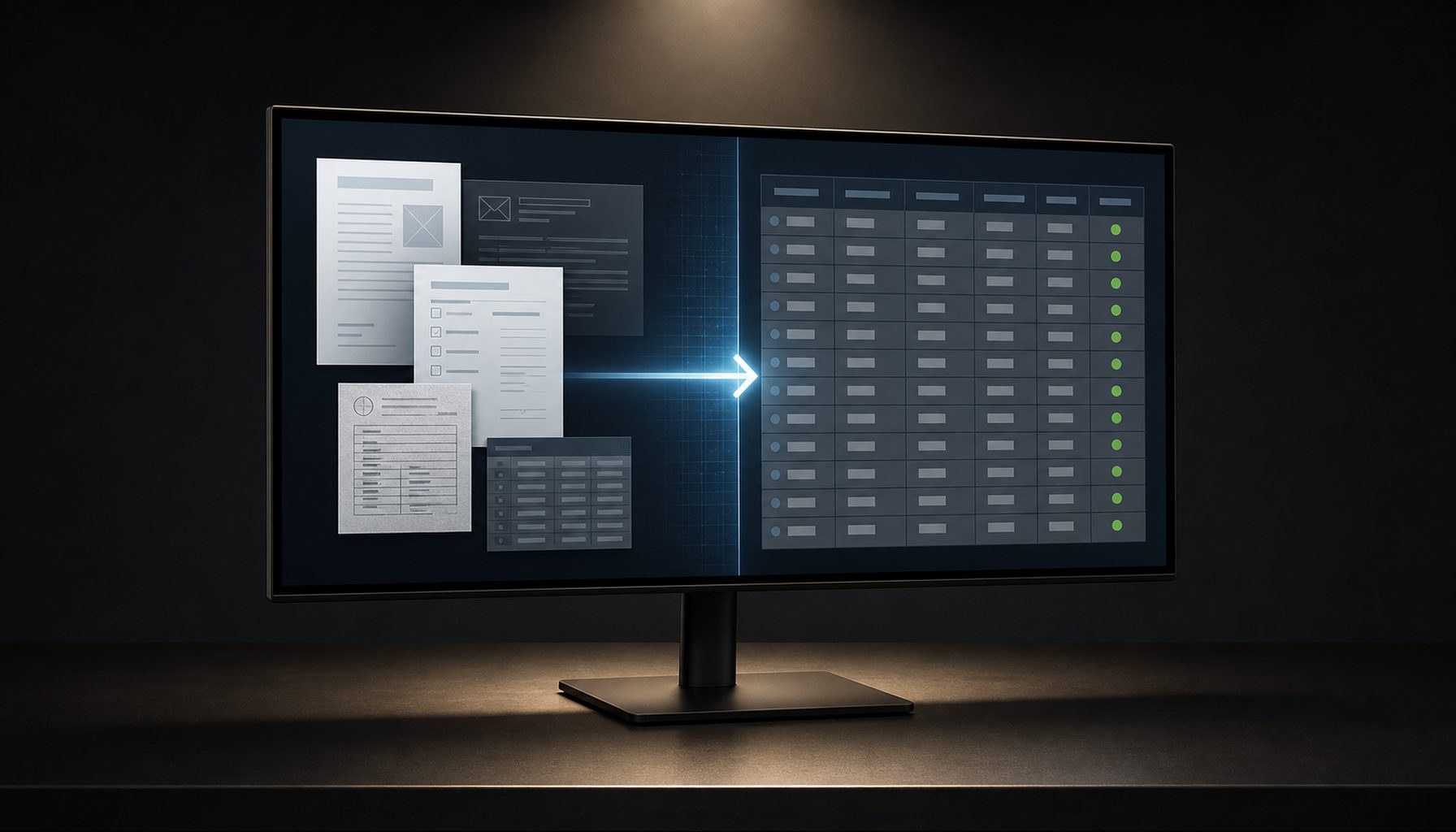
Document intake. You receive invoices, applications, inquiry forms, contracts, each from different senders in different formats. An agentic system reads each one, extracts the relevant fields, validates them against your records, and either processes the document or routes it for human review with the data already populated. The 45-to-60 minute manual review cycle drops significantly. We built this for a law firm processing legal filings. The same pattern applies to any business handling varied incoming documents.
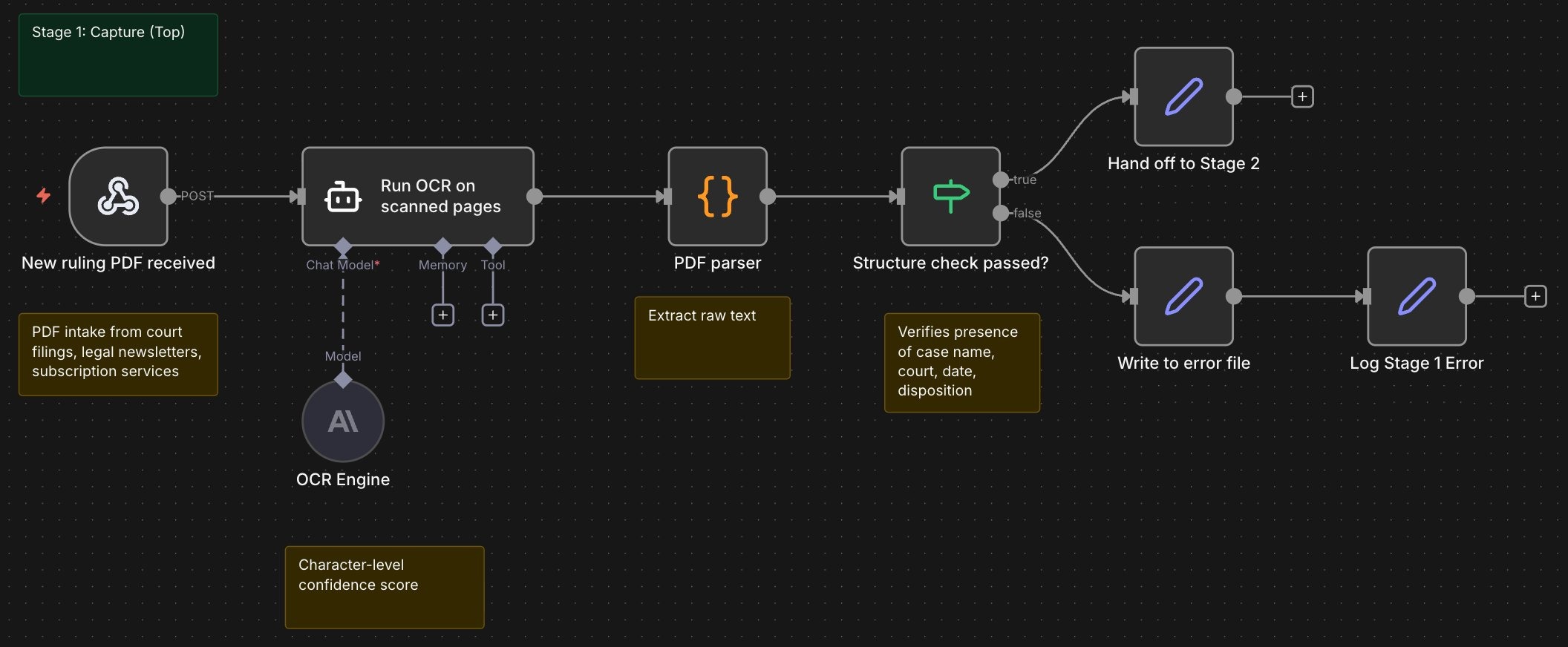
Stage one of the document intake pipeline: every incoming document is captured, parsed, and validated before anything else runs.
Lead qualification. A new inquiry arrives as a free-text message. Standard automation routes it based on keywords. An agentic system reads it, assesses intent, matches it against your client profile, scores it, drafts a personalized first response, and flags it at the right priority level. Response time drops to seconds and the quality of first contact improves.
Start with one. Pick the task where your team spends the most time on inputs that should not require a human. Build it narrow. Measure it for two weeks. Then expand.
The ceiling on what automation can handle has moved. Most small businesses have not caught up to where it now sits.
Sources
- The API cost comparison is from Agent Micho's own bills across a year of running agentic workflows. It describes one set of workloads rather than the market, and model pricing moves quickly.
- What agent nodes can and cannot do comes from building on n8n. Node capabilities and defaults change between releases, so check the current documentation rather than this post.
- The document intake pipeline and the recommendations on what to build first come from client work.
A note on images across this site. Illustrations and workflow diagrams are made with AI, from prompts we write and refine, and we edit most of them afterwards. Screenshots taken in n8n are not, since they show workflows we built in the tool.
Subscribe if you like breakdowns like this, one useful briefing a week on AI and automation.