There is a version of automation enthusiasm that goes too far. It treats every repetitive task as fair game, every process as a candidate for removal. I have built enough workflows to know where that thinking breaks down.
Some parts of your business should stay human. Not because automation cannot touch them, but because handing them off changes what they mean.
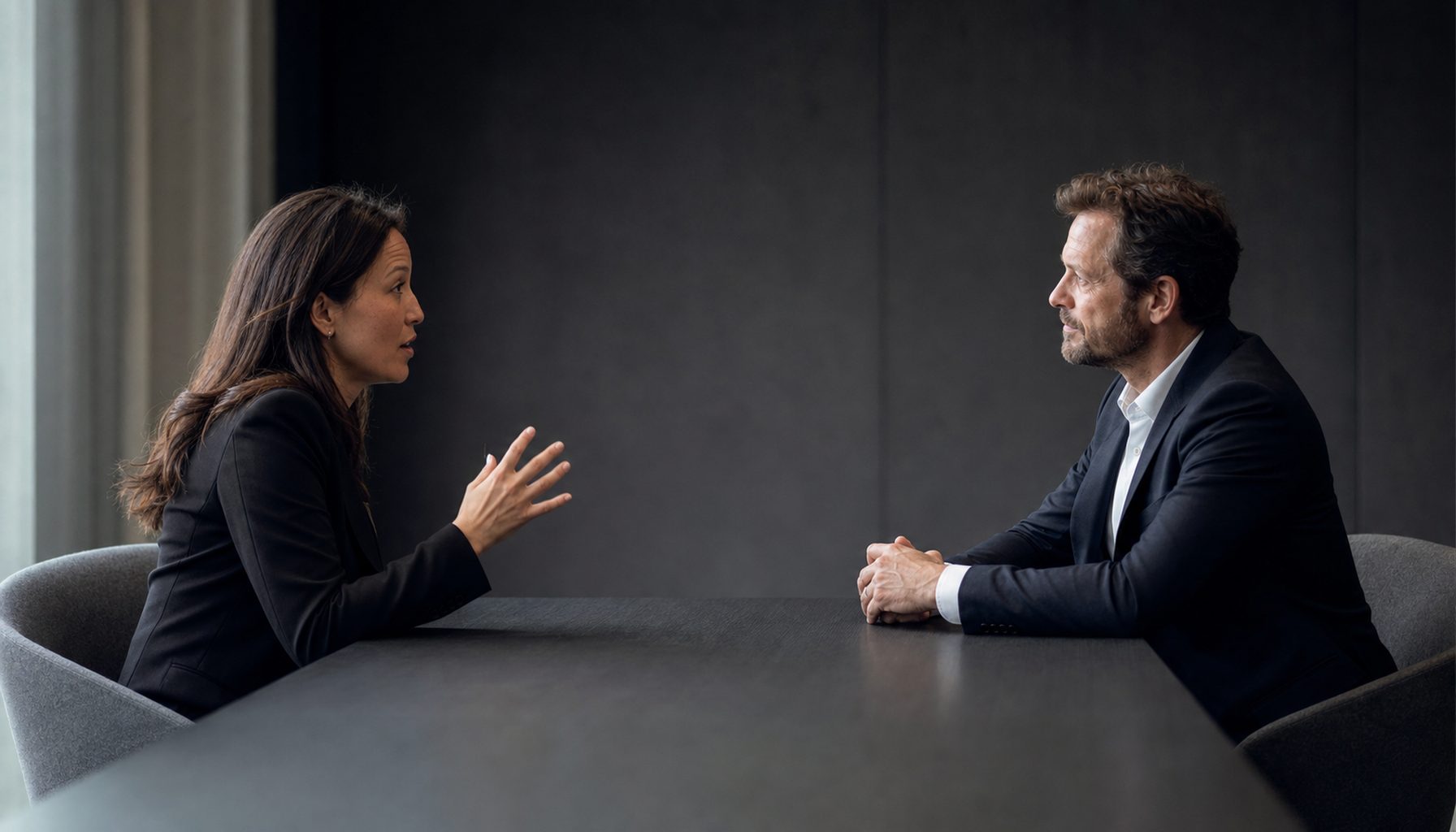
The Hiring Decision
I can automate resume screening. I can filter by keyword, rank by experience, schedule the first call, send the follow-up, log the outcome. All of that is fair game.
The moment I hand over the final call, I have made a different kind of mistake.
Amazon learned this the hard way. In 2014, they started building an AI resume-screening tool, training it on a decade of past applicants. By 2015, the problem was clear: because most of those resumes came from men, the model had taught itself to prefer male candidates. It downgraded resumes containing the word "women's" and penalized graduates of two all-women's colleges. They tried to fix it. They could not make it reliably neutral. They scrapped the project.
The bias was not a bug someone wrote on purpose. It came from the training data, which reflected the decisions of the humans who came before it. The model was optimizing for the past. Every hiring decision you make is a bet on the future. Those are not the same problem.
A candidate on paper can look like a poor fit and be the best person you ever hired. The resume does not show you how they handle the moment a project goes sideways, or whether they will tell you something you need to hear when it would be easier to say nothing. You cannot automate the read on that. You make it by being in the room.
Getting a hire wrong costs months. At minimum: the time to recognize it, the time to act on it, the time to start over. No workflow saves you from that. The decision stays yours.
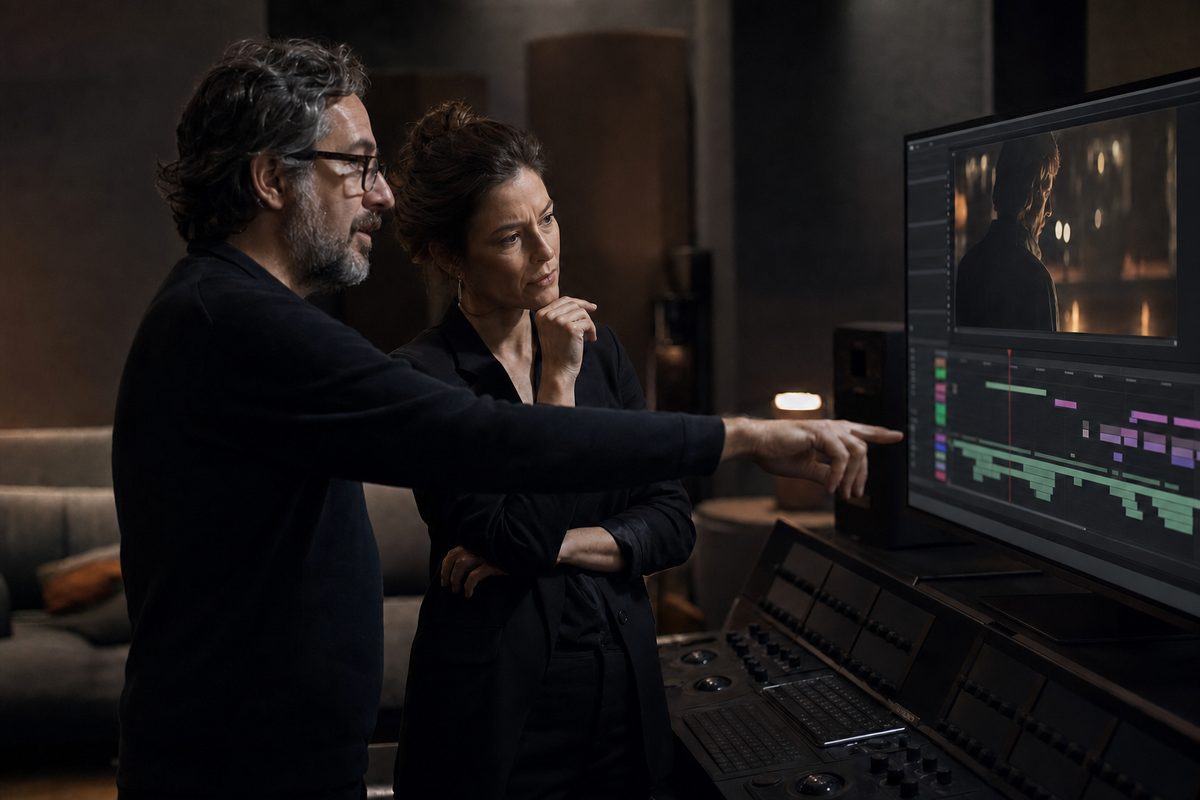
The Creative Direction Call
In December 2025, McDonald's Netherlands released an AI-generated Christmas ad built around holiday mishaps. Viewers called it creepy and soulless. McDonald's pulled it three days later and described the experience as "an important learning."
The ad broke no rules and stated nothing false. It was wrong for the brand in a way nobody caught until it went live. Ari Elkouby, chief creative officer at Dentsu Creative Canada, described the core problem: generative AI tools tend to default to the most statistically common visual output. The result is homogeneous and undifferentiated. Brands live and die by distinctiveness. The model does not know what makes your brand yours. It knows what most brands look like.
I run a video production company. Almost every administrative layer of a production can be systematized: the brief intake, the schedule, the asset delivery, the revision routing, the invoice.
There is one moment I have never tried to automate, because it cannot be automated.
A client says something is off. They cannot tell you what. The edit is technically correct. The shots are clean. The music works. Something is still wrong, and they know it but cannot name it.
That conversation is a diagnosis, not information retrieval. You have to understand what they were hoping to feel when they watched it, what they are actually feeling, and what the gap between those two things tells you about what needs to change. Sometimes the answer is in the footage. Sometimes it is in a brief that was never quite right. Sometimes it is in an expectation that was never made explicit.
The conversation is the work. No tool reads the room. No workflow closes the gap between what a client can articulate and what they actually mean.
If you automate the wrong end of this, you lose the client. Worse, you lose them without understanding why.
Where the Line Is
Automation belongs anywhere the task has a correct answer. Route the email, send the invoice, log the record, schedule the reminder. These have right answers and wrong answers, and a workflow executes them without fatigue or distraction.
Automation does not belong where the task requires you to own the outcome. The hiring decision. The difficult conversation. The call on whether a piece of creative work is actually done. These require judgment, and judgment requires someone who can be held accountable when it is wrong.
The goal is to automate everything you should, so you have the time and attention left for the things only you can do.
Sources
- McDonald's Netherlands released the AI-generated Christmas ad on YouTube on December 6, 2025 and removed it on December 9. The company told BBC News the moment served as "an important learning" as it explored the effective use of AI. Widely reported at the time, including by NBC News, Newsweek and The Guardian. An earlier version of this post dated the incident to 2024, which was the year of the comparable Coca-Cola backlash.
- Ari Elkouby, chief creative officer at Dentsu Creative Canada, on generative models producing homogeneous and undifferentiated output: The Globe and Mail, April 2026. In the same comment he noted that the randomness can also produce happy accidents, which this piece does not quote.
- Amazon began building an AI resume-screening tool in 2014, trained on a decade of past applicants, and identified the gender bias by 2015. Reported by Reuters in October 2018. Named without a link because the original report sits behind syndication.
- The hiring judgment, the creative direction argument, and the production examples are drawn from running a video production company and from twenty-five years of hiring in finance and technology.
A note on images across this site. Illustrations and workflow diagrams are made with AI, from prompts we write and refine, and we edit most of them afterwards. Screenshots taken in n8n are not, since they show workflows we built in the tool.